
U.S. Seeks Ways to Halt Iran’s Oil Sales to Venezuela
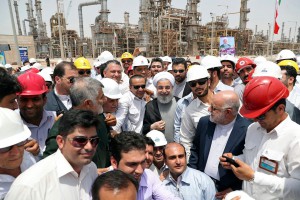
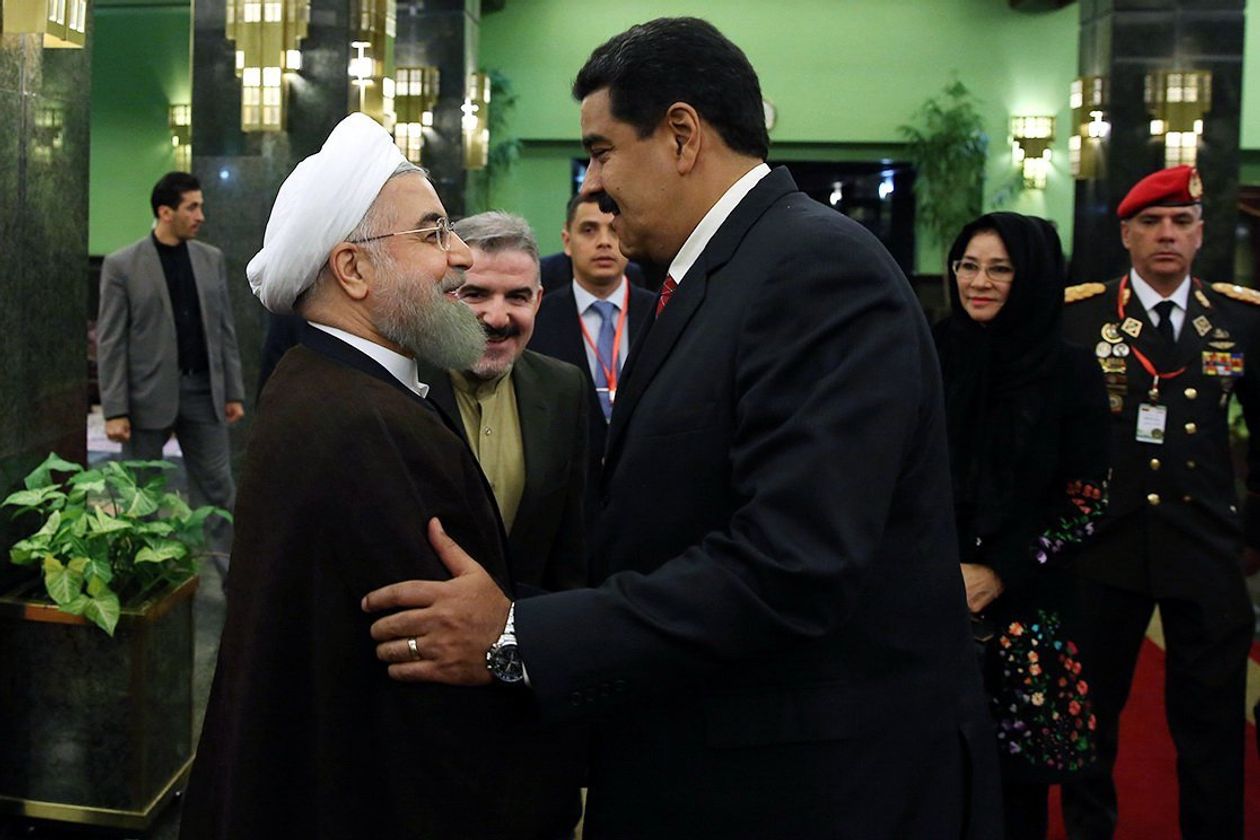
Iran furthers recent efforts to gain a foothold in Latin America despite U.S. pressure
The Trump administration is weighing new sanctions and other legal steps as it seeks to block Iranian oil exports to Venezuela, according to U.S. officials, as the Islamic Republic attempts to make inroads into the U.S.’s age-old sphere of influence in Latin America.
The possibility of new U.S. sanctions and legal action comes as five Iranian gasoline tankers make their way toward Venezuela, offering a potential lifeline to the embattled regime of President Nicolás Maduro, according to U.S. and Iranian officials and shipping website TankerTrackers.com
Iran has warned it will retaliate against the U.S. if it blocks its ships. As crude markets recover from the disarray of a demand-eroding coronavirus pandemic and a devastating price rout, the Islamic Republic has seized an opportunity to use its oil to curry favor with U.S. rivals, including Venezuela and Syria.
Iran’s outreach to Venezuela is meant to help it “gain a positional advantage in our neighborhood as a way to counter U.S. interests,” Admiral Craig Faller, who heads the U.S. Southern Command in the Caribbean, told a videoconference organized by the Florida International University on Monday.
The Venezuela-bound convoy of tankers carries Iranian oil-products worth around $45 million, said Russ Dallen, an economist at Caracas Capital Markets. U.S. pressure recently halted shipments of refining products from Russian, Spanish and Italian companies that had previously delivered limited relief from the country’s chronic gas shortages, he said
Iran’s burgeoning efforts to build a trading and political outpost in Latin America present a challenge to the U.S.’s nearly two-century-old Monroe Doctrine, which opposes international interference in the Western Hemisphere.
The Trump administration has been debating how aggressive its response should be, the officials said. The U.S. Navy has deployed a flotilla of destroyers in the Caribbean to crack down on narcotics smuggling. Military personnel on those ships could theoretically board the Iranian vessels for inspection, the U.S. officials said.
Some U.S. officials have advocated restraint, arguing that the U.S. should only intervene if the Iranian shipments become a permanent fixture, according to people familiar with the matter.
Those backing that position are wary of an escalation of tensions after Washington and Tehran narrowly avoided a full military conflict following a U.S. strike that killed top Iranian general Qassem Soleimani in January.
On Monday, Adm. Faller played down the possibility of the U.S.’s Caribbean fleet being used to stop the Iranian vessels. “With respect to Venezuela, our focus has been to share intelligence, trying to figure out what Maduro and his cronies are up to,” he said.
Instead, U.S. officials are looking at measures that would deter Iran from repeating deliveries to Caracas, including sanctioning the tankers’ crews—which could severely restrict employment opportunities and limit Iran’s ability to staff future vessels going to Venezuela.
The officials said the U.S. could also try to confiscate the ships, through a U.S. court proceeding called “forfeiture action” for violating American law. The process was unsuccessfully used last year to seize the Grace 1, a Syria-bound Iranian tanker.
But with Venezuela unlikely to cooperate with such an order, the legal tool would have to be used when the vessels stop to refuel in ports on their way to Iran, the officials said.
The U.S. Treasury Department “will continue to aggressively use its sanctions authorities to target malign activity and sanctions evasion” a spokesperson said, and whoever engages in business with Venezuela’s oil industry is at risk of sanctions. Iran itself is also the target of the U.S.’s most extensive sanctions program, after President Trump quit a global nuclear pact and resumed a ban on Tehran’s oil sales in 2018.
On Tuesday, the Treasury designated China-based Shanghai Saint Logistics Ltd. as a sales agent acting for Iranian airline Mahan Air, citing its recent flights to supply refining equipment to Venezuela in exchange for gold. The designation will heavily restrict the company’s access to the international banking system and prohibits U.S.-based companies and individuals from transacting with it. The Treasury unveiled further sanctions against Iranian officials and government-linked businesses Wednesday, as part of a broader strategy to increase pressure on the regime.
“The Iranian regime is using Mahan Air to support an illegitimate and corrupt regime in Venezuela, just as it has done for the regime in Syria and for terrorist proxy groups throughout the Middle East,” said Treasury Secretary Steven Mnuchin.
Iran has warned it will retaliate if its ships are blocked, calling it an act of “piracy.” On Monday, Abbas Araghchi, Iran’s deputy foreign minister, summoned the Swiss ambassador in Tehran—who represents U.S. interests in Iran—saying that interference with the oil deliveries would be met with “immediate and firm response.”
Iran’s support for Venezuela underscores the limits of sanctions as a foreign policy tool. After decades of sanctions, Iran has developed an extensive refining industry that makes its own equipment and churns out the motor fuel its population needs. With much of its oil going unsold amid sanctions and a global collapse in demand, Iran is now finding new outlets for its crude among fellow U.S. foes.
By contrast, plants in the South American nation—which sits on the world’s biggest crude reserves—are derelict after years of corruption and mismanagement that predate the imposition of strict sanctions on its oil sales last year.
Locals now rely on the fuel for generators to make up for power cuts, says Jose Chalhoub, political risk and oil consultant based in Venezuela. Shortages are so acute motorists often sit in their cars for several days, waiting to be called to buy gasoline, he said. Those with dollars pay inflationary prices for the commodity on the black market with gasoline coming from neighboring Colombia.
—Kejal Vyas and Ian Talley contributed to this article.
Write to Benoit Faucon at benoit.faucon@wsj.com
Photo: /Associated Press